Wood Plank Font for Bold, Rustic Web Design
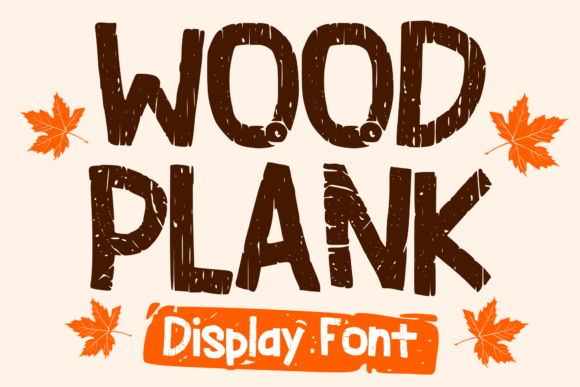
I was working on a redesign for a boutique online store that sells handcrafted wooden furniture. The client wanted something that felt authentic, warm, and visually engaging. That’s when I first tested Wood Plank, a display font with an earthy, rustic charm that immediately stood out. Its distinct wooden texture and quirky typeface brought a bold, whimsical edge to the project—perfect for a brand that values craftsmanship and natural materials.
Wood Plank for Hero Sections and Branding Headlines
When I placed Wood Plank in the hero section of the website, it transformed the headline from generic to memorable. The font’s textured strokes added depth, especially over a full-width image of a wooden table. It didn’t feel cluttered, even on larger screens. For a brand like this, Wood Plank helped establish visual identity quickly and effectively.
I made sure to test how it looked at different sizes and distances. On mobile, the font remained legible without losing its character. The wooden grain effect worked well as a subtle background overlay, reinforcing the brand’s connection to nature without overwhelming the text.
Wood Plank in Call-to-Action Buttons and Section Headers
Next, I experimented with using Wood Plank for call-to-action buttons. At first, I worried the font might be too decorative for a button, but after testing a few variations, I found that pairing it with a solid color or a wood-toned gradient worked beautifully. It gave the CTA a tactile feel, almost like pressing a real wooden button.
I also used Wood Plank for section headers throughout the site. Each header had a slightly different weight or variation, which helped maintain visual hierarchy without making the design feel repetitive. It wasn’t just about aesthetics—it was about guiding the user’s eye through the page in a natural way.
Wood Plank for Product Landing Pages and Portfolio Sites
For the product landing pages, I paired Wood Plank with a clean sans serif font for body copy. This contrast kept the content readable while maintaining the brand’s unique voice. The rustic look of the font complemented images of hand-carved items, creating a cohesive visual language across the site.
In a portfolio site context, Wood Plank could be ideal for showcasing creative work related to woodworking, outdoor living, or artisanal crafts. The font’s personality brings warmth and authenticity to digital presentations, helping creators stand out in a competitive space.
Wood Plank in Blog Headers and Editorial Content
I tried using Wood Plank for blog headers and found that it worked best for shorter titles. Longer articles needed a more traditional font for readability, but the font’s charm shone through in headlines. It added a touch of whimsy to editorial content without compromising professionalism.
It’s important to remember that Wood Plank is a display font, not a body font. Using it for long paragraphs would reduce readability. But when used sparingly, it can elevate the design of any web project that leans into a natural or handmade aesthetic.
Wood Plank for Digital Ads and Campaign Pages
Digital ads often need to grab attention quickly. When I applied Wood Plank to a campaign page for the same furniture brand, the headline immediately caught the eye. The wooden texture created a sense of trust and authenticity that resonated well with the target audience.
The font’s boldness made it ideal for short, punchy messages. It worked especially well when combined with high-quality imagery of the products. The result was a campaign that felt both modern and grounded in tradition.
Readability Tips for Wood Plank in Responsive Layouts
When designing for responsiveness, I made sure to test Wood Plank across different screen sizes. While it performed well on desktops, I adjusted the font size and spacing for mobile to ensure it remained legible. Avoiding dark backgrounds helped preserve the texture details, and keeping the font above image overlays ensured it stayed visible.
Also, checking the file formats and ensuring that Wood Plank was properly optimized for web use was crucial. A lightweight version of the font loaded faster, which improved the overall performance of the site.
Font Pairing and Commercial Licensing Considerations
To maintain balance, I paired Wood Plank with a simple sans serif font for body text. This combination kept the design approachable while allowing the display font to shine in key areas. It also helped create a more professional look, which is essential for building brand trust.
Before finalizing the design, I double-checked the commercial licensing options for Wood Plank. Ensuring that the font was allowed for use in websites, client projects, and digital templates was a necessary step to avoid legal issues down the line.
Overall, Wood Plank proved to be a versatile and impactful choice for this project. Its rustic charm and bold personality helped shape a brand that feels both authentic and modern. Whether you're designing a boutique store, a creative portfolio, or a promotional campaign, this font can add a unique touch that sets your design apart.