Fuzzy Scribble: The Tactile Display Typeface for Modern Web Design
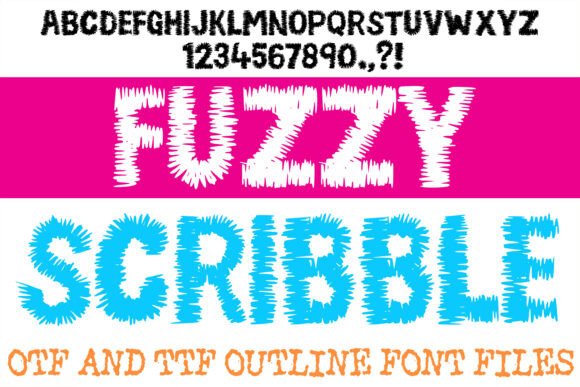
I first opened the Fuzzy Scribble font file while staring at a blank hero section on a boutique online store project. The client wanted something that felt handmade, organic, and distinct from the sterile grid of standard corporate websites. When I loaded the Display typeface into my design tool, the heavy texture immediately transformed the mood of the page. This isn't just another decorative Fonts library; it is a highly tactile, heavily textured display typeface that captures the raw, organic energy of dense cross-hatching and rapid thread-work. Built from countless overlapping hand-drawn strokes, it brings a sense of physical presence to digital screens that usually feel too smooth.
Why Fuzzy Scribble Works as a Hero Section Headline for Creative Brands
The primary challenge when selecting Fuzzy Scribble for a website header is balancing its aggressive texture with immediate readability. In my recent test, placing this font in a large hero title created an instant focal point that drew the eye before any other element on the screen. Unlike standard sans serif or serif fonts that blend into the background, this Display style demands attention through its unique visual weight. The dense cross-hatching creates a shadow-like effect within the letters themselves, adding depth without requiring heavy graphic overlays. For a creative portfolio or a product landing page, using Fuzzy Scribble here signals that the brand values craftsmanship and human touch over mass production.
- Visual Impact: The rough edges and varying stroke widths create a dynamic silhouette that stands out against clean photography.
- Brand Personality: It instantly communicates an artistic, bohemian, or indie vibe suitable for boutiques and studios.
- Emotional Connection: The "handmade" look fosters trust with audiences looking for authentic, non-corporate products.
Fuzzy Scribble for Blog Headers and Editorial Content Styling
When redesigning a blog layout for a lifestyle coach, I tested Fuzzy Scribble not just for the main title, but for subheadings that break up long-form text. While the font is technically a Display typeface, its legibility holds up surprisingly well in medium sizes when paired correctly. The key is to use it sparingly for emphasis rather than paragraph text. By applying the font to section headers, I was able to guide the user's scanning behavior naturally down the page. The organic nature of the letterforms softens the rigid structure of a standard blog grid, making the content feel more approachable and less like a manual.
If you are building a course sales page or a digital brand kit, consider using Fuzzy Scribble for the value proposition headline. The rapid thread-work aesthetic suggests movement and energy, which can subconsciously encourage users to scroll further. However, always ensure there is sufficient contrast between the dark, textured strokes and the background color to maintain accessibility standards.
Fuzzy Scribble Paired with Clean Sans Serif for Mobile Responsiveness
A critical lesson from testing this Fonts collection on mobile devices is the necessity of font pairing. The heavy texture of Fuzzy Scribble can become visually noisy on small screens if used alongside other complex typefaces. To solve this, I paired the display font with a simple, geometric sans serif for body copy. This combination allows the Fuzzy Scribble to shine as the star of the show while the supporting text remains crisp and easy to read. The high contrast in style creates a clear visual hierarchy, ensuring that users know exactly what is a headline and what is information.
For responsive layouts, I recommend scaling the Fuzzy Scribble size carefully. On desktop, it can be massive, acting as a banner across the top of the site. On mobile, reducing the size slightly prevents the cross-hatching details from blurring together. The goal is to preserve the "fuzzy" character without losing the structural integrity of the letters. This balance is essential for maintaining professional polish on all device sizes.
Fuzzy Scribble for Call-to-Action Buttons and Promotional Banners
I explored using Fuzzy Scribble for call-to-action (CTA) buttons on a campaign landing page, and the results were striking. The rough, energetic texture makes the button feel like a tangible object, inviting a click. When placed over a solid color background or a subtle gradient, the font's internal shadows create a 3D effect that enhances the button's prominence. This is particularly effective for limited-time offers or special announcements where urgency needs to be conveyed through design alone.
However, caution is required with light-colored backgrounds. If the background is white or very light gray, the dark, dense strokes of the Display font provide excellent contrast. Conversely, if you place it over a busy image, ensure the text has a drop shadow or a semi-transparent backing to prevent it from getting lost in the noise. The versatility of these Fonts lies in their ability to adapt to different contexts, provided the contrast ratios are managed correctly.
Fuzzy Scribble for Logo Design and Digital Brand Identity Assets
Beyond web pages, I evaluated Fuzzy Scribble for creating a complete digital brand identity for a small business client. The font's unique construction, built from countless overlapping hand-drawn elements, makes it an excellent choice for logo design where uniqueness is paramount. It avoids the generic look of stock vector logos and instead offers a custom, artisanal feel. Whether used for a shop name, a podcast title, or a social media profile picture, the Fuzzy Scribble aesthetic establishes a memorable visual anchor.
When developing a brand kit, consider how this Display typeface interacts with other assets. Its organic lines pair beautifully with watercolor illustrations, sketch-style icons, and natural textures. It bridges the gap between traditional print design and modern digital interfaces. By incorporating this font into email signatures, PDF reports, and social media graphics, you create a cohesive experience that feels consistent across every touchpoint.
Fuzzy Scribble for Product Packaging and E-commerce Graphics
Although this is a digital font, its aesthetic translates perfectly to e-commerce graphics and virtual packaging mockups. For an online store selling handmade goods, using Fuzzy Scribble on product cards adds a layer of perceived value. The "raw, organic energy" described in the font's DNA aligns perfectly with brands that emphasize sustainability, craft, or local sourcing. The dense cross-hatching mimics the texture of paper, fabric, or wood, reinforcing the physical quality of the items being sold.
When designing ad creatives or promotional banners, the boldness of Fuzzy Scribble ensures your message cuts through the clutter of social media feeds. It works exceptionally well for short phrases, headlines, and key selling points. Just remember to check the included styles and weights; having access to different variations allows you to adjust the density of the texture for different design needs.
Final Considerations for Integrating Fuzzy Scribble into Your Projects
Before finalizing your design, always verify the licensing terms for commercial use, especially if you are building a client website or a SaaS platform. Ensure you have the correct webfont files installed to guarantee fast loading times and proper rendering across browsers. The Fuzzy Scribble typeface is a powerful tool for designers who want to inject personality and warmth into their digital work. By understanding its strengths and limitations, you can create layouts that are not only visually stunning but also functional and engaging for your audience.